Showing posts with label talks. Show all posts

Sunday, December 11, 2022

How Audiobooks Changed My Reading


Audiobooks have been around for a long time and have become popular among many people. They're fast, and easy to follow, and you can listen to them any place and any time you want, even while doing your daily chores. I think it would be fair to say that audiobooks have changed many people's reading habits. 

I, however, have been avoiding them until recently, not because I thought there was anything wrong with them, or because I thought I wouldn't like them - on the contrary, I've always been intrigued by them. I've been avoiding them because when I tried listening to fiction books, I struggled to get used to the narrating voice, especially regarding the characters' voices. Don't get me wrong, most of these narrators are usually amazing and do a great job, it's just that I as a reader want to imagine the characters' voices a specific way and when the narrating voice, accent, and general demeanor don't match the voice in my head I have a problem to fully emerge to the story.

I tried listening to several fiction books and realized that it didn't really work for me, so I didn't really give audiobooks a second chance until I realized that I could try listening to non-fiction books! As it turned out, this was one of my best ideas regarding reading, it had a lot of perks, and it completely changed my reading!

So, below I'll list some of the pros of listening to audiobooks, some of the things I've gained from listening to them, and some of the ways my reading habits have changed because of them.
  • Audiobooks help you read more: By nature, they are fast and easy to consume, and you can listen to them at any place and at any time. So naturally, that will increase the number of books you read and will help you reach your reading goals. Especially if you are like me and have limited free time, they seem like the ideal solution.
  • They increase the variety of the books you can read: The most significant change that has happened for me in my experience of listening to audiobooks is that they got me into reading all different kinds and genres of books that I never thought I would be into, and which I wouldn't have read otherwise. Audiobooks helped me get through heavy classics that I would have otherwise found boring, but most of all, they allowed me to read plenty of non-fiction books that I normally wouldn't have picked to read and I surely wouldn't have the patience to read any other way.
  • Similarly, they can get you into new authors: Authors that you never thought you'd try reading, authors that you wouldn't have gone for... Audiobooks will get you acquainted with their various writing styles and different genres and will open your eyes to new worlds and experiences.
  • Listening to a book is an entirely different experience: It gives you a whole new sense of the book, and each narrator can bring something new and unique to a book. Granted, not all of the narrators are equally great, there will be some that you won't like, but most of them are very passionate and really talented. Some of the narrators can bring an entirely new feeling to the book and they can draw you into it.
  • More time spent productively - less time wasted: Reading (or listening) to a book is not only an enjoyable but also a very productive activity that exercises your brain and engages all your senses. It's certainly a much preferable investment of your time, rather than scrolling through social media or procrastinating, doing nothing. You'll find that the more you use your free time to listen to a book, the more you'll learn, the better you'll feel and your bad habits and procrastinating will gradually be reduced.

These have been some of the positive changes I have noticed after I started listening to audiobooks more regularly. Audiobooks have now become a big part of my reading and I've grown to love them and the positive impact they've had on me. I will possibly discover even more facts about them as I listen to them more and more and I will be back to discuss them with you again...


Tuesday, July 26, 2022

My favorite quotes and why I love them || Part II


In the past, I have made a post talking about some of my favorite quotes and what they mean to me - you can find it here if you want. To this day it's one of my favorite posts on this blog and I've been meaning to make a Part II ever since, so I think it's time I made it. And who knows? I may even make a part III one day because I think there are even more quotes worth talking about.


In this post, I will analyze a few more quotes/passages that I love from books that I've read. While in the previous part the quotes were just random, in this one I picked 4 of my favorite quotes that revolve around particular subjects and themes. All of the following passages have something to do with either politics/politicians or war/peace in general. I hope you'll enjoy it as much as I did writing it! So here we go...


"Because something is significantly wrong with a creature that sacrifices its children's lives to settle its differences. [...] But in the end, who does it benefit? No one. The truth is it benefits no one to live in a world where these things happen."

When I first read this line in the Hunger Games series (I can't remember which book) I thought that it was a very nice, true, and insightful quote. I instantly put it amongst my favorites, but it wasn't until a few years later that I developed a deeper connection with it and got to fully understand its weight. Furthermore, as the years pass, this quote becomes more and more personal for me and, as experiences gather, it affects me more and more. This quote describes Katniss' thoughts about the Hunger Games, Snow's regime, and the circumstances of her world in general. Aside from it being a commentary about her world, it can also be applied to our real world as well, which is something that always makes a quote all the more impactful. 

I remember a few years back (after I had read the books) - when the war in Syria was the first thing we would see on the news - seeing images of horror, images of injured, lost, and dead children dying in the streets or being washed ashore, and I was devastated. One of the first things that came to my mind was this particular quote. More recently, with the war that is still going on in Ukraine, the same words came to my mind... "Something is significantly wrong with a creature that sacrifices its children-". It is so painfully true and it not only describes the horrors of war but also talks about human nature and one of its core characteristics; its destructiveness and its tendency to self-destruct. 

This takes me straight to the next quote from the same series...


"But collective thinking is usually short-lived. We are fickle, stupid beings with poor memories and a great gift for self-destruction."

The more I think about it, the more I can see and safely say that Suzanne Collins has a very good grasp on some notions (among which are: war, peace, human nature, trauma, and PTSD) and she is extremely talented in articulating them beautifully. 

Having gone through a couple of significant events of our time myself (a pandemic, an economic crisis, etc) and with the terrifying prospect of a war happening very close to me within my lifetime, makes me understand and appreciate the truth of this quote to its full extent. Now more than ever before I can see and experience that humans are indeed beings with very poor memories that tend to forget the past and not learn from their history and their mistakes which is part of the reason why on many occasions we may circle back to similar conditions that we considered to be over for good, or why we may circle back to unworthy leaders/representatives. 

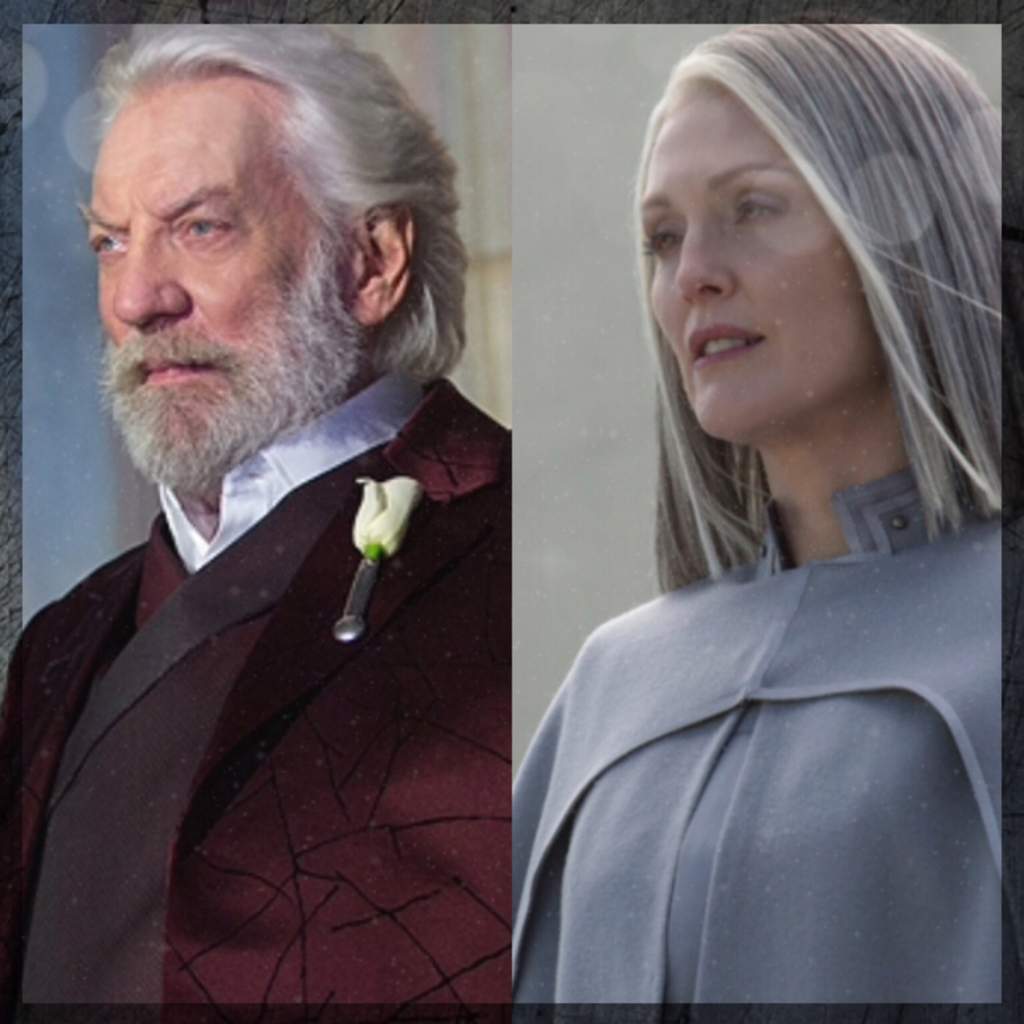
This can be seen in the Hunger Games as well - more specifically in Mockingjay - when, after everything the people from the districts have been through because of The Hunger Games, many of them are ready to vote on having a new kind of Hunger Games perpetuating the suffering. They set all of their faith in Coin, believing and hoping that she'd be their savior and they were prepared to follow her to unreasonable lengths. Maybe it was their devotion to her, or maybe it was their thirst for revenge, or maybe a combination of both. Whichever the case, they ended up circling back to a very wrong situation and an equally bad leader and many of them were blind to it, forgetting what and who it was that had brought them there.

Collective thinking and action are indeed short-lived and they only last as long as a specific goal or person is there to unite the people, but when this goal is achieved or gone, or when things change in general, then the people that were so far gathered and strong together, scatter like mice, their power scattering with along with their conflicting interests. Whichever the reason may be that makes collective thinking so short-lived, the fact remains that people don't realize (or forget) how very strong they can be when they become a team and act in an organized way, instead of when they remain and act as units. Making any kind of significant change requires the strength and determination of the many when they gather and unite. Big changes rarely ever come from a single person, no matter how valiantly they may battle for it. It's troubling how often and how much we seem to forget that an existing system or regime is only as strong/weak as the people keeping it in power. And oftentimes when people are not what keeps the system/regime in power, then whatever else it is that's keeping it there - whether that is money, connections, or anything else - is not enough and it usually is a pretty fragile system which will eventually and inevitably crumble...

This, in continuation, brings me to the next quote...


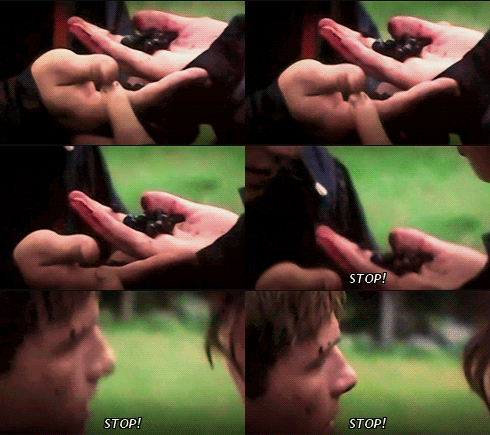
"It must be a fragile system if it can be brought down by just a few berries."

This quote is very particular to the Hunger Games, yet, if taken metaphorically it can apply to our lives and real situations easily. We all live within particular political systems and no matter what they are like, they can be stronger or weaker structures. Systems that don't draw their strength from the people, or that don't listen to their wants and needs, systems that derive power from other sources tend to lean more on the fragile side rather than the solid-steady one and they can usually be brought down by something rather small and insignificant like a handful of berries. 

The quote is not only about the Hunger Games in particular or about the berries per se. It's about the nerve of one person to go against the stream, and about the courage of the first few people that decided to rise on their feet and stand together against a dictatorship. These few small berries are the depiction, the very essence of the few small and seemingly insignificant people gathering and finally using their most powerful weapon: their voice. These berries also symbolize the seemingly small causations that can set off a big change. It was something as small as a few berries, or a three-finger salute that woke everyone up and made them start rising up against Snow's oppression and the more Snow fought against it, the closer he got to his own end.


This is part of the reason why such authoritarian regimes can never last long, they will eventually be overturned by the very people they oppress. There can be a few reasons that a system may be fragile, and one of them - and a rather important reason too - is contained in the following quote, this one not from the Hunger Games...


"Voldemort himself created his worst enemy, just as tyrants everywhere do. Have you any idea how much tyrants fear the people they oppress? All of them realize that one day, amongst their many victims, there is sure to be one who rises against them and strikes back." 

This one is from the Harry Potter books, obviously, and it is one of my favorites from all the books in the series. It is undeniably true that tyrants, through their merciless and oppressive ruling usually create their own worst enemies who are usually none other than the very people they oppress. It doesn't take long for people to realize what their rulers are and, even though it may be hard and dangerous for them to react at first, it's inevitable that they will eventually retaliate.

And even though tyrants acknowledge this, it doesn't really help them, because it makes them want to prove it wrong, to prevent such retaliation from happening. And in trying to suppress all uprisings and reactions from the people they end up oppressing them even more, which in turn makes the people even more frustrated and reactive.

Similarly, Voldemort created his own worst enemy simply by trying to extinguish him before he would even have the chance to threaten him. He picked the baby himself, based on nothing more than an obscure prophecy, which he chose to interpret in his own manner. 

Even though Harry wasn't the only option, Voldemort picked him and tried to kill him, and, as we know he failed. As a result, he became obsessed with Harry who was but a child/teenager, and kept persecuting him and trying to destroy him for the rest of his life. He could not understand that his obsession would be his downfall and he failed to realize that the more he struggled to extinguish his worst enemy, the more he would set himself up for failure and the closer that would bring him to his own death. Someone could argue that it was Harry who brought down Voldemort, but, in reality, it was Voldemort himself; he picked the baby, he attacked him and he was the one who kept chasing him until this was the end of him. What's more, Voldemort whom everyone feared, whose name wasn't even spoken aloud, spent the remainder of his existence in fear; always in fear of this one boy, always scared that even more people may try to step up against him.

Similarly, this is how things are with tyrants everywhere, both in fiction and in real life. They pick the people/group of people that they want to target (a particular religious, or ethnic group, or people with a specific trait, etc) and devote themselves o persecuting them, creating this way their own worst enemies. All the time knowing very well and fearing beyond anything else that the oppressed people will rebel and overthrow them, that the very people they have chosen to hate and destroy will be their downfall. Maybe deep down they even know that it wasn't the targeted people, but their own fault that brought them down. It is inevitable that in every such situation, the oppressed will eventually rise up and the victims will fight back.


***


It's probably obvious that I love it when books talk about politics and even more I love talking about them when they do. I find that it's always food for thought and you can draw parallels with the real world which is always interesting. It makes you understand better historical events of the past, as well as see where our society may be heading in the future. In my opinion, even though fictional stories take place in fantasy worlds and situations, they can very easily and successfully tackle real-life problems and approach them in a creative and nuanced way.

I loved making this post, both because it gave me the chance to lay out my thoughts about these quotes, but also because it brought me back memories from some of my favorite moments in my favorite books. So, I hope you enjoyed it as much as I did.


Until the next time...
Thanks for reading!


Thursday, May 5, 2022

Some More Bookish Pet Peeves || Writing, Tropes and Characters


 Hello friends!

In the past, I've made a post about my bookish pet peeves, which was very fun and I thought that it is pretty inclusive. The more I thought about it, however, I realized that this particular post talks only about my pet peeves that have to do with the book as an object and its physical state and... well-being... If you haven't already seen this post and want to get an idea, you can check it out here. But I have not talked about the pet peeves that I have that have to do with the plot, story, tropes, structure, and generally the contents of a book. So, here's a separate post about this... 


  1. The insta-love trope: It's probably the most unrealistic and annoying plot that's also so overused in fiction. I mean, don't get me wrong, I'm all about suddenly falling in love, the infatuation you may feel with a specific person, the intense stares, the unexplainable feeling that this might be the one, etc... It is a strong, unique, and unbelievable feeling and it is also part of the beauty of falling in love. But this situation is far from what we have come to see portrayed so often, which is that, all of a sudden, after 3 whole days of knowing each other, the characters are ready to die for each other, because they cannot possibly imagine their lives apart! Not only is it unrealistic and not believable at all, but it's also a trope that inherently lacks depth, since we don't get to see the characters get to know each other, interact, and bond before they actually become a couple/fall in love. However much you try to convince me afterward that they actually have a deep emotional connection, I'm going to find it impossible to believe. It doesn't help with the character development and general arch of the story; it usually makes the pacing strangely quick at the beginning and slower closer to the ending, and it usually doesn't give as much satisfaction to the reader - at least in my experience. There could be, of course, exceptions to that, like if there is a magical element to the story, an element of time travel or mind-reading, or maybe even a life-threatening situation and the characters could die at any moment so this pressure makes them feel more intensely and more quickly. These exceptions however are not common and even when they occur, they should be executed well.
  2. Poor editing: I used to think that editing wasn't such a big deal in a book, but I have come to really appreciate it as years go by and especially the more I get into writing myself. A good editor can save your work as much as a poor editor can destroy even the best of stories. 
  3. Cliche or repeated and overused phrases: I'm sure that even reading this has made you think of at least one overused phrase that you've stumbled upon multiple times. It's not my worst pet peeve, I do, however, feel annoyed by this occasionally and it's something that I think can very easily be fixed.
  4. When there is no synopsis on the cover, only reviews and comments about the book: While it may be interesting to see what people thought of a book, the purpose of anything being written on the cover of a book is to give you a clue what the story is about. Most readers want to know what they are buying and getting into and those comments may shadow the atmosphere or type of the story, but don't say much more than that. No, I prefer my synopsis there on the back, classic and helpful.
  5. When the magical solution suddenly appears out of nowhere right at the moment of greatest need in the story even when the said solution has never been mentioned before. I think this one is self-explanatory. It's usually a sign of poor, sloppy, or lazy writing and it's rarely good. It feels convenient and often anti-climactic as well, as it makes you feel like "a wizard saved the day" instead of the hero.
  6. Plot-armor: When particular character/characters - usually the main characters or the hero - are steadily untouched by any danger! They fight in battles, they come face to face with murderers and they run from the mafia day in and day out, yet they always come out of the mess with nothing but a scratch. This becomes even worse when every other character suffers from the consequences of their actions or the general situations in the story, yet this/these specific character(s) are still untouchable! It feels easy, sloppy, and cheap! Every character should have to deal with the consequences of their actions/decisions and struggle according to the situations their in.
  7. Over-powered heroes and/or underwhelming villains: I don't need to say more about this. Few things kill the dynamic between a hero and a villain more than these two things. A good dynamic between the hero and the villain can bring all the conflict and intensity to the story and create compelling story/character arcs!
  8. Resurrections: It's not my worst pet peeve and there might be a couple of occasions where I might enjoy a nice resurrection, but most of the time I hate it. It is usually a sign of lazy writing, or of having written yourself into a corner and trying desperately to undo it. I do believe that 98% of the time when a character dies they should remain dead unless their coming back not only makes absolute sense but also has a stronger impact than their death had. Character deaths are among the strongest and most impactful things that can happen in a story and they should be utilized correctly and not as an easy and cheap mechanism for shock factor or to make readers cry. So, as long as the death is written correctly and has the impact it's supposed to, the resurrection is most probably going to kill the moments that preceded it.

I have to say, I expected this post to be rather short, but then I got carried away and it ended up longer than I expected. Nevertheless, I'm really glad I've been able to finally have laid down here all of my thoughts and I hope you liked this post as much as I did. As always, feel free to share your thoughts with me down in the comments...


Until the next time...
Thank you for reading!

Friday, April 8, 2022

My favorite quotes and why I love them/what they mean to me || Part I

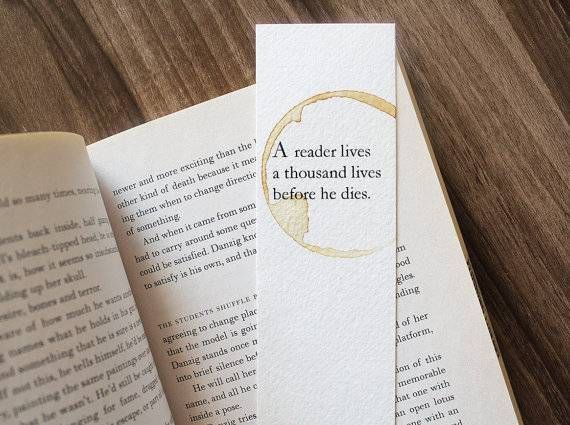
Image from: https://bookriot.com/45-best-aww-inspiring-quotes-books/

Hello, my awesome book friends!

I have wanted for some time now to make a post like this where I talk about some of my favorite quotes in fiction and talk a little bit about them. I didn't want to just drop some quotes anyone can simply Google, I wanted to share why I love them, what they mean to me, what kind of thoughts and feelings they spark inside me and, maybe, find people who agree or find my thoughts interesting in some way. 

So, I went on my Goodreads account and started reading every single one of my 300 plus quotes, trying to find my favorites, the most unique, those that stand out, and those that really mean something, not just those that I enjoyed or found funny. The more I searched, however, the more quotes I found and I suddenly realized that there was no possible way that I could talk about all of them in one single post, so I gathered some of them for today's post and there will be some more of them coming in a future post soon. The quotes are in no particular order, they don't indicate preference or significance. If anything, the order is completely random depending on which ones I found first... There is also no particular "motif" in the quotes I've picked, some are more poetic, some are simpler, some come from classic works and others come from contemporary fiction... A little bit of everything, really. So, with all of that being said, here we go...


"We accept the love we think we deserve."

This quote is from "The Perks of Being a Wallflower" which is a book I have never read, so I cannot comment on how well the quote goes with the rest of the text or how well it reads. I have, however,  watched the movie and this was where I heard the quote and it immediately rang a bell inside my head. Because this is so deeply and fundamentally true! 

We are so ready to believe our own misconceptions or preconceived notions about ourselves and so ready to value (or not) ourselves accordingly. We tend to believe we deserve this thing or this type of behavior and this thing, this behavior, or this particular type of person is the one we tend to attract more or to accept more when we attract it. We know we deserve this when in reality we may deserve much better, but we still are willing and ready to accept the love we think we deserve rather than the love we might actually deserve but aren't strong/courageous/ready enough to go for. We are scared to claim what is right or good for us because that is what we think we deserve. We don't realize it, but most of the time in life we accept that which we think we deserve, nothing more, nothing less and it's why we get what we get in life. It is a direct connection to how we value ourselves. Such a true statement...

***

"It is our choices that show what we truly are far more than our abilities."

This quote is widely known and recognized not only by Harry Potter fans but by a wide audience who has read it in the HP books or seen it in the movies.

This line is said by Dumbledore, the main mentor figure in the Harry Potter universe, it goes nicely with the rest of the text and it is proved to be right time and time again throughout the story. The characters, of course, have unique abilities and cool skills and it is shown throughout, but it is really their choices that make them stand out and prove what they really are inside.

It is the same in real life, our choices are what make a difference. Our abilities may be great and unique, but, in the end, what counts is if and how you chose to use them, how you chose to act in life. Whether you have the courage to step up, use your abilities in the best way possible and for the best means possible, and whether you have the ability to understand and judge when and how to act accordingly. It all comes down to choices, so, in a way, our ability to choose and to make our path in life is the greatest of all our strengths and one of our biggest privileges. It's also an important thing to understand because it proves that no matter how many or great talents you have compared to the next person, all that matters in life is what you choose to do with the cards you were given. So, nobody is inherently better off than anyone else, really, and anyone can end up in a better place regardless if they have more or fewer skills, only depending on their choices. Your abilities and talents are things you were given, or skills you developed, they are part of you, but they are not who you are, your character... No... Who we are is our choices, our characters and personalities are the sum of our choices.

It is a simple quote really, still such a powerful and truthful one and I think it is beautiful. 
***

"It takes 10 times as long to put yourself back together as it does to fall apart."

Another widely-known quote, this time from the Hunger Games trilogy, which also happens to be one of my favorite stories in general.

This quote carries so much meaning and has so many layers and possible explanations because it refers to Finnick's past trauma that he had to get over, his current situation threatening to destroy him again, it also refers to Katniss' situation, Peeta's struggle and it can pretty much be applied to every other character within the series as most of them are trying hard to deal with their own traumatic experiences. Finnick is warning Katniss to try and not fall apart because getting back together after this could take all the courage and strength in the world and a long time of working with yourself. He tells her that there is a coming back from dark places but it is a hard way.

This quote is also so deeply and painfully true in real life and I think it's a quote that most of us can feel deep inside. We've all been through some trauma in life, we've all been through hard times and many of us have probably at some point or another fallen apart. So we can understand how hard it is to try to put yourself back together after falling apart and how much of a toll that falling apart takes on your mind and soul. We can also feel how it is to fight against falling apart, to try to keep yourself together in hard times, because we've gone through it in the past and don't want to go through it again. To put yourself back together you may need not only time and effort, but you may also need professional help and a lot of support from people who care about you, and working on yourself may be the task of a lifetime.

Suzanne Collins has written a wonderful story and the more I read it, the more I realize that this woman really knows about trauma and how to write about it in a way that is not disturbing, insulting, or melodramatic, but in a way that is realistic and impactful. This is one of the few quotes that show it and I love it! It's strong, real, and to the point.
***

"Oh, to reach the point of death and realize one has not lived at all."

A simple quote really, but very real and impactful. I cannot remember where I read it but it was written by Henry David Thoreau.

It's so common for us to be overconsumed by our routine and problems, that we kind of forget to really live. Sometimes we forget what really counts, and what is important in life and we tend to focus on the unimportant and forget to live. And how horrible would it be for anyone to reach the point of death just to realize that they have not lived at all, that they have wasted their life on things that didn't really matter. It is a scary thought, for me at least and this is why I was caught off-guard when I read this quote and I kept staring at it and kept thinking about life.
***

"A mind needs books like a sword needs a whetstone if it is to keep its edge."

Okay, what can anyone say about this quote? It's simply a masterpiece just like most of Martin's writing. The layers, the depth of meaning, and the artful use of the simile are just a few of the reasons I love it. 

It compares two seemingly different things (the sword and the mind), which even though vastly different, can both be used as "weapons" in one way or the other, and two also very different things (books and the whetstone) which can both be used to sharpen said "weapon" making the first obvious point that any skill - physical or mental - needs exercise and "sharpening". In a second layer of interpretation, this quote is also used to juxtapose the physical capabilities which in this story and instance are being represented by Jamie - and possibly any other capable fighters - and the mental abilities which in turn are represented by Tyrion, and consequently, to juxtapose Jamie with Tyrion and the fact that even though they are brothers, they are complete opposites. Jamie and Tyrion represent two different kinds of minds and two different kinds of "fighters" and each of them chooses their own "weapons" in battle and, in turn, this quote also talks about those two opposing types of fighting. It shows how some people will pick one way to deal with things, while some other people will choose differently. It also shows how one person's strengths can be someone else's weaknesses and vice versa.

This quote goes deeper than you may think at a first read and the more you look into it, the more meaning you could possibly find. This is one of the reasons I love it. It's filled with all the wisdom that has been painfully acquired by Tyrion through years and years of not fitting in and struggling to keep up in an unfair - for him at least - world, and this is also something that many of us can relate to. And, to top it all off, this is a quote about books! I mean, how could any book-loving person not love it even just for this...
***


This post is one of my favorites I've created and I'd love to go on, but I think it's getting too long, so I will leave the rest of my quotes for the next one. I would love to hear your favorite quotes from fiction and why you love them! Feel free to leave a comment and follow if you enjoy my content!

Thank you for reading!
Until the next time!

Sunday, February 13, 2022

Slow reading benefits || Why I am a slow reader


Hello book friends!

So today I wanted to gather some of my thoughts on reading and make a post like that. I have been a reader my whole life and I have been through all kinds of different phases with my reading habits. I have been a really fast reader, an all-over-the-place reader, a very selective reader, a mood reader, or a slower reader depending on my current mood and conditions in life. What I have deduced all those years is that there are as many types of readers as there are readers and most of us will probably fit into more than one of these "categories". I'm not going to talk about all of them, however. Today I wanted to talk about slow vs fast reading.

As I said previously, I've gone through a phase when I was a very fast reader, but this way of reading doesn't fit me anymore and it doesn't work for me for a couple of reasons. First of all, for practical reasons, my life is currently pretty busy and hectic so finding time for reading is rare and hard, so my reading time is limited even though I try to make the most of it. Secondly, my preference has changed through the years and I now enjoy much more reading slowly rather than fast and I don't see myself changing that any time soon. And lastly, I have come to realize that this way of reading is much more beneficial to me and had more to offer than my old ways.

Disclaimer: The reasons I'm about to list below are personal and not general rules. Any of the following could apply or not apply to you and on various levels. These are personal opinions and in no way do I want to say that my way is better than yours, or make it seem that I am better than anyone else. Whichever way of reading is best for you and works for you is the one you should follow and you don't have to agree with me or follow what I say. I simply wanted to state my views and use them as a chance for a conversation with all of you. 

So, with that out of the way, here are some of my reasons for reading slowly and some of the benefits I've found it has on me:

  1. Reading slowly increases my understanding of the text/story: Not just on a surface level, meaning what happens to the story and how the characters interact, but also on a deeper level, like what each thing means to the characters and how it affects them.
  2. It allows me to empathize more with the characters and get to know them better: Taking time to re-read a line or taking my time to read a dialogue can make me understand the characters better, "hear" their voices more distinctly, read between the lines and find any subtext there might be. In the end, I feel like taking the time to think about certain parts of the story can really help me understand all the motives and conflicts of a character, which in turn increases my enjoyment of the story.
  3. It helps me analyze every aspect of the story: As you may have noticed if you've read my blog, I really enjoy over-analyzing stories and going to a deeper level with them. A story may be sci-fi or fantasy or whatever, but it may well carry lots of different themes and ideas that may be interesting to explore. I love finding all of these themes and messages and analyzing them as much as I can; the socio-economic commentary from the writer, the "peak" into the scary human future, the psychological repercussions of an important historical event, or even the importance of different kinds of relationships in our lives are only a few of the things we can find in stories and that we may want to talk about after consuming the story. I love taking a deep dive into all of these themes and over-analyzing them, especially the ones that I consider that concern me most, and reading slowly really helps me take this deep dive.
  4. It helps me learn more and better: Lately, I have found out how to "read like a writer" and, since I really love writing and aspire to write my own story one day, I have tried as much as possible to "read like a writer". Which means to learn from what I read and always try to take something out of it, whether that is new vocabulary, learning how to use punctuation properly, or learning new techniques of writing, new expressions, and all kinds of new literary tools and devices. I have realized that this way of reading allows me to absorb all these writing and artistic details so that I can more easily and effectively use them in my own work and, consequently, improve the quality of my own writing. 
  5. It helps me remember more parts of the story better: Just to clear this out, slow reading does not make the story itself more memorable, it cannot do that and I do not think it can be done with any way of reading. What makes a story essentially memorable is the content and nothing else. However, I have found that the slower reading helps me remember a little bit better the story, within of course what its content allows, and to keep it in my memory long-term. I don't really like it when I have read the book and I can't remember what it was about and why I liked it or disliked it. So devoting a bit more time to reading, comprehending, and approaching it from many different angles, I feel helps me with remembering more of the story better and cherishing it more, and this is a positive for me.
  6. It prolongs the experience: This is most useful and desirable with the books that I actually love and enjoy, and that I want to make them last longer and I don't want them to be over. But it is not so great with the books that I don't enjoy and that I would rather get over with. So this one really depends on the book itself and I can make it last a longer or shorter time according to how much I enjoy each book. I have skim-read books quite a few times in the past if I've found them boring, but if they are nice I'm more likely to want to make it last longer.
  7. It gives me the time to take notes: If I feel like there's something worth remembering and keeping written down or annotated I like to take the time to note it down to be able and appreciate it both at the given time and for future reference.
  8. It's just pure preference and taste: In the end, this is what it all comes down to; how you personally enjoy and like to pass your time and it doesn't really need more reason than that. This is the way that helps me get more emerged in stories and that I feel was more beneficial to me. This is the way for me.

Now, there are of course a few downsides to this way of reading, just like there are with any other way of reading, that are worth mentioning too:
  1. You don't get to read as many books as you'd wish: This method, of course, means that you'll read significantly fewer books than other readers that chose to read quickly and, as a consequence...
  2. You get through your TBR list much more slowly and
  3. It's a bit harder to reach your reading goals/challenges, or you have to set much smaller goals in order to make it
  4. It's almost impossible to keep up with all the new books, all new releases, and all these books you've had an eye on for a while.
  5. Re-reading books you've enjoyed in the past is almost out of the question: Not if you want to get through all these other new books you've been dying to read. It's not impossible, but it's surely rare and hard to do.

So, tell me, what type of reader are you? Do you prefer to read more quickly or slowly? Do you belong to any other "types" of readers? What do you enjoy more and why? I'd love to hear your thoughts! Feel free to share them!


For one more time, thank you for reading!
Until the next time!
Saturday, January 29, 2022

My Bookish Pet Peeves


Today I felt like doing a different post, so I decided to talk to you about my bookish pet peeves. I will only be talking about practical things, things that have to do with the physical copy, the cover, the pages, and all that. I won't be talking about things pet peeves I have that are related to the stories, plots, or characters as I feel this talk belongs in a different post. Some of these things only bother me and no one else, others bother many of you as well, while some others bother most of the reading community but I don't mind them. So, here we go!

My bookish pet peeves:

  1. Stickers on the cover - This drives me nuts! And I think it is a common bookish pet peeve amongst the reading community, I can't think of anyone that would appreciate the addition of a generic, irrelevant, and ugly sticker on their beloved and beautiful cover. I mean not only they are ugly, not only they destroy the cover of the book, but most of the time they're impossible to remove! Plus if you have low patience - like me - the more likely it is that you'll end up destroying a part of your new book trying to take the thing off! Just stop this madness, please!
  2. Different sized books within a series - this is pretty much self-explanatory. Unevenly sized books just make it so much harder to arrange on the bookshelves. It's not amongst the most annoying things on this list, however, it is pretty irritating.
  3. Dog-eared pages - once they've been dog-eared they never go back and that's enough. I used to do this quite a lot in my school books and it was useful for this, but reading recreationally is a whole other story and there is no place for dog-earing in it!
  4. Movie covers -  just no!
  5. When people don't respect a borrowed book - I've long now stopped borrowing books, because the last couple of times they were brought back to me destroyed. I borrowed you the thing, just be careful, and bring it back soon and in the state I gave it to you!

Common bookish pet peeves that don't bother me:

  1. Broken spines - As long as it's not completely destroyed to the point that it can't hold the book together, I don't mind if the spine is a bit broken. On the contrary, I feel that a broken spine shows that a book has been read and loved, probably multiple times, by multiple people and that says something.
  2. Annotations - I don't usually annotate my books, I have done it a few times though when a book sparked many thoughts in me. It's great that I can revisit those books and also be able to read the thoughts I had about it at the time and I find it even more fascinating if I can get my hands on someone else's book and I'm able to read their thoughts about it! It's amazing that you can see what someone thought of a specific passage and it can help you rediscover a book and see it from a different angle. I know it bothers many other bookworms, but as long as it doesn't cover or smudge the text, I love it!

So, that's about it for me. What about you? Tell me what bothers you, what is it that you cannot stand, or something that doesn't bother you even though it's a common bookish pet peeve? Feel free to share your thoughts and experiences with me, I'd love to hear what you have to say!


Thank you for reading!


Friday, November 26, 2021

Are there good and bad books? || Book-shaming || A Book talk


Hello everyone,

I'm back with a discussion topic that is as old as time, yet new for this blog. 

Reading is one of the most beneficial activities that an individual can pick. It's one of the activities that always has something to offer more than just pure entertainment, whether that is learning fresh vocabulary and new/different ways to express yourself, learning facts and skills, acquiring knowledge, or developing new ideas and views for the world, gaining empathy, understanding for others and perspective in life! The reading experience is enriching and becomes even more so the more you exercise it.

Naturally, the argument that would follow would be that not all books can offer you the same and that some books may be beneficial as if you've not read anything at all. Or that certain types of books don't really count because they are too short, too childish, too funny or you haven't physically read them, so they're not as much of an experience. This could not be further from the truth! The truth is that reading all kinds of books in whichever way or form they may be, is still consuming books, you still invest your time and attention, you still take in all its contents, you still have the ability to understand and process it in your mind, you can still think about it, overanalyze it, talk about it with others, and make it the center of conversations, you have still taken everything in. And the truth is that fully and successfully consuming whichever book in whichever form can very rarely be not beneficial, not informative, not enlightening, not entertaining, and not helpful in any way.

There is much prejudice when it comes to reading choices. Some genres are considered to be inherently lesser than others, and it has recently come to my attention that this bias extends to not just genres, but also forms of books (e-Books, audiobooks, etc.). If you've been a reader for a while then you are no stranger to ideas like: "only classics are serious books", "listening to audiobooks doesn't count as reading", "comic books are stupid and have nothing to offer", "non-fiction books are boring", etc. We all like to lie to ourselves about such prejudice and pretend that we are above it, that we do not care, and that we are free spirits. But the truth is that at one point or the other anyone might be guilty of it whether willingly or not and most readers have at some point been subjected to it. We're surrounded by it so it's not always easy to avoid it.

Reading tastes and preferences are strictly personal and they shouldn't be criticized and/or laughed at. Yet, we continue to see that reading preferences are often not only criticized, compared (with other, theoretically better choices), and looked down upon, but are also being immediately associated with the reader. In many people's minds, the types of books someone chooses to read define their personality and character. Please, don't get me wrong it is true that what we choose to read does correlate to some extent to our lives, personalities, interests, and experiences and we certainly do tend to pick things that we can relate to. But, this is definitely not a one-way road, and to take it to the extreme where every single book you may pick is immediately connected do your whole identity is irrelevant and absurd. 

For one thing, human beings are not one-sided, they are not defined by one single quality or trait. Nor are all people the same, fitting into defined little boxes. Human beings are multi-dimensional, they have many sides, various depths, and layers and they are usually more complex than what could be narrowed down to a few words or a couple of choices. Sure, this one book may be saying something about you, maybe you relate to this theme or character, but that cannot possibly be all you really are. We are more than just our favorite color, piece of clothing, food, more than just smart, or just athletic, or just sensitive, more than just our appearance and sexuality. All these are just some of our traits and the total of them that we carry comprises our identity. They are just small individual parts of a large and complex puzzle and just like a puzzle could not be comprised by one single piece, humans cannot possibly be just what you assume with a single glance.

For another, nobody is obligated to like and enjoy only one thing! Just because you love dark chocolate doesn't mean you won't occasionally enjoy white, just because you love action movies doesn't mean you won't occasionally enjoy a good romance and, similarly, because you love this genre of book doesn't mean you won't enjoy or want to explore other genres, authors and styles! As a matter of fact, I find it that if you are a big lover of a particular hobby, it will be nearly impossible for you to limit your choices down to only a couple of variables. We are free to enjoy many different genres and styles of works and we can definitely choose to have them in different phases of our lives, in order to express different aspects of our characters. I can't imagine how boring it would be if someone had to decide to follow one single thing (book, movie, food, style of clothing, etc) for your entire life and exclude all other different options. 

Of course, everyone is entitled to their own opinion and if you want to think that one work is lesser than the other for whatever random reason then it's fine, you do you. But nobody has the right to shame, criticize or berate others, or make quick assumptions about them based off of this! Because everyone has just as much of a right to enjoy whatever they like and whatever are they want in whichever way they prefer just as much you have a right to your opinion. All people have the right to enjoy what they like better freely without being bothered. Nobody should be discouraged to read whatever they like because nobody should be discouraged from such a nice hobby, such an interesting pastime, and such an active, engaging, and enlightening activity as this of reading. On the contrary, people should be encouraged to enjoy whatever book they want without being ashamed of their choices. Readers should always feel that the reading community is a safe space and they are always welcome to it no matter what. Because even if there were such a thing as good and bad reading choices, discouraging someone from reading in general, will only lead them away from it. But if you encourage them to keep reading, they will definitely find their way back to it and they may even eventually find their way to want you to consider to be better and even if this does not happen they will surely find what's better for them.

And besides, criticizing somebody else's choices and tastes never made anyone better at anything or superior to others, quite the contrary, it shows that you are below. However, being unashamed and keeping doing what you love and specifically reading can only make you better more interesting, and raise you up to higher standards every day. Bottom line; do whatever makes you happy and don't care about what anyone else says and try not to make others feel bad for their own preferences. And while there are books that have stronger story, prose, or character than others I don't think there are universally good or bad books, only books that are good for specific readers and not so good for others. Even if there was such a concept I don't think I'd want to view the matter like this, I think I'd much rather go with the concept that there's the right book for each person. And when you find it, you will inevitably fall in love with reading!

I would love to read your opinions and experiences on this matter, so feel free to share! In the meantime, thank you for reading for one more time! 


Wednesday, September 22, 2021

How to get out of a reading slump || My tips


A reading slump is one of us bookworms' worst nightmares. Suddenly, you cannot read more than a couple of pages without getting tired, bored, or distracted. Up until recently, you could devour a whole book in one sitting and now you're struggling to get through 1 book in a year. I have been there and I have been through the struggle and I know how horrible it is and how much you hate it. I was in a reading slump that lasted about 2 years. In these two years, I must have read only a handful of books and even those with difficulty. I finally managed to get out of this slump 3 years ago and to get back on my reading track, with fewer books at first and more as time passes. Not only did I get back closer to my original reading rhythm - though not to its fullest, I'm not at my zenith, but at a very good point nevertheless - but the enjoyment also came back to me. My love for books never quite left, but I did lose some of the interest and enjoyment for the procedure, but since I got back to it, I have been enjoying it more every single day, maybe even more than before! So, my friends, I'm here to share with you my small tips to help you get out of this unpleasant situation you're facing... Let's go!
  • Make reading a habit. Try to read a little bit every day even if it's just a couple of pages it's still good and you're still making progress! This is my number one tip because it has helped me a great deal a few times. I start by requiring myself to read 2 pages every day. It is a small and easy task and it doesn't feel like a stressful burden and soon I find myself reading 3-4 pages without realizing and soon even more.
  • Try different places and ways to read. Go to your bedroom or to the sitting room, maybe you can try reading outside at a park or a Cafe. You can try reading with music while drinking a beverage or maybe you can read while on the bus or a train to try to make your usual daily trips to work or uni less boring. The options are endless! Try something new and shake things up from what you usually do.
  • Try different kinds of books to get you out of your comfort zone or on the other hand you can reread one of the books that made you fall in love with reading in the first place! Either of the two could rekindle your love for reading depending on your preference and mood.
  • Try to set daily or weekly goals for yourself and see if it works for you. Tracking your progress however small could encourage you to get back on track. I find that once I've made some progress and see it written down into numbers, this makes me feel proud of myself and keeps me going.
  • On the other hand, if you have been setting reading goals in the past but now you find yourself stuck, you should probably refrain from it for a while and just read without stressing yourself out about your count.  So, maybe you don't work well under pressure, maybe constantly setting goals stresses you out and is counterproductive. Reading is a wonderful pastime and more than anything else it's supposed to be fun, so relax and just enjoy it, without stressing too much about goals and word counts. (I've been in both places in the past and I found that both of these tips worked depending on my overall mood and situation in life.)
  • Try to find people to talk about books! It could be your friends, it could be a book club, it could be people from social media, whatever it is give it a try see if it works!
  • Finally, if nothing else seems to help, just take a break from it, do other things that you like. Just enjoy yourself and don't feel guilty for not reading! There's nothing wrong with getting a break and enjoying other activities as well. When your brain will have had its rest, I believe it will just automatically want to get back and do some reading again.
Whatever you do in the end, and however you decide to tackle this situation, it's up to you and you don't need to get frustrated. If you have any other ideas to add, new tips to suggest, feel free to comment below, I would love to read your own opinions and experiences!

Thank you for reading! Until the next time!
Friday, October 26, 2018

My favorite childhood books || A book talk

Hello friends!

Today I wanted to do something different, so I decided not to do a book review. I was thinking about what got me into reading, which was the first book that gave me the passion and which was the point in my life where it all started. I could not remember one book, or one exact moment, because I have been a reader for as long as I can remember, so I guess it all started in my childhood and the books that I was reading as a kid. This is the reason why today I chose to talk about my favorite childhood books. Books that I read as a kid, but I still remember vividly and that captivated my mind in the magic of reading.


Growing up Enid Blyton was definitely and by far my favorite childhood author. I haven't read all of her books, but I know that she has written many and I wish I had read them all because I've heard really good comments about them. Anyway, the ones that I have read belong in the two following series.
  1. "The famous five" series. These books feature the adventures of a group of young children - Julian, Dick, Anne, Georgina, and their dog Timmy. The stories take place in the children's school holidays after they have returned from their respective boarding schools. Each time they meet they get caught up in an adventure, often involving criminals or lost treasure. In some books, the children go camping in the countryside, on a hike, or on holiday together elsewhere. Blyton intended to write only six or eight books in the series, but owing to their high sales and immense commercial success she went on to write twenty-one full-length Famous Five novels, as well as a number of other series in similar style following groups of children discovering crime on holiday in the countryside. I have read (not all of them, unfortunately, because they were difficult to find) about 13 or 14 of the books in the series and I enjoyed them all very much. I remember these books keeping me company during the summer holidays or after a tiring day at school. I felt like the characters were my best friends and their adventures were always very captivating, so I couldn't stop reading. This series was my favorite childhood series, closely followed by the next one which was...
  2. "The secret seven" series. The Secret Seven or Secret Seven Society is a fictional group of child detectives. They appear in one of several adolescent detective series Blyton wrote. The Secret Seven consists of Peter (the society's head), Janet (Peter's Sister), Jack, Barbara, George, Pam, and Colin. Jack's sister Susie and her best friend Binkie often make an appearance in the books; they hate the Secret Seven and delight in playing tricks designed to humiliate them, although much of this is fueled by their almost obsessive desire to belong to the society. Unlike most other Blyton series, this one takes place during the school term time because the characters go to day school. The series consists of several books and I do not even remember how many they were, but I have read about 7 of them. I read them soon after the "Famous five" and I loved them almost as much. They were really interesting, adventurous, and mysterious and I couldn't put them down. 
  3. "Spring-heeled Jack". Another one of my favorite childhood authors was Philip Pullman. I have read a couple of his books and I loved them, but to be honest, I still want to read some more, because I think I'll really enjoy them as a grown-up. One of his books that I read and remember loving was "Spring-Heeled Jack". A fun, thriller of an adventure told in words and pictures. Rose and Lily and their little brother Ned live in an orphanage - a terrible place, where the porridge is thin and cold, and nobody smiles. One dark and stormy night, they decide enough is enough, and they run away. But hiding in the shadows, as they make their way through the dangerous back streets of London, is Mack the Knife: the most villainous of villains. Hiding above the streets, leaping through the air, is Spring-Heeled Jack. He dresses like the devil and his name creates shivers in people, but he is ready for action against the evil-doers and scallywags of the city's dark streets - Mack the Knife included - and he might just be able to save the orphans. I remember buying this book for the school library. All of my classmates enjoyed it during the year and when the school year was over I got to keep it, so I re-read it.
  4. "Animorphs" series by K. A. Applegate. This series is one of my two favorite series of books from my childhood. It is probably my favorite one, as it introduced me to the science fiction genre which is to this day one of my favorite genres. I read this one a little later than the previous ones when I was a bit older and I believe that this series is intended for older kids than the first books I mentioned and even maybe teenagers. I read them when I was about 12. The story revolves around five kids: Jake, Marco, Cassie, Rachel, and Tobias, who obtain the ability to transform into any animal they touch. Naming themselves "Animorphs" they use their ability to battle a secret alien infiltration of Earth by a parasitic race of aliens resembling large slugs called Yeerks, that can take any living creatures as a host by entering and merging with their brain through the ear canal. The Animorphs fight as a guerilla force against the Yeerks who are led by Visser Three. The series consists of way too many books, I think they are about fifty, but I have only read about 10 of them. I loved each and everyone that I read and I remember being fascinated by how "alive" everything seemed. Reading these books felt like I was watching a movie, or even better as if everything was happening right in front of my eyes. The fast-paced plot and vivid writing had me holding my breath and trembling while holding the book. The stories were thrilling to me and I couldn't stop reading.

So, these were some of my favorite childhood books and I am so happy that I finally get a chance to talk about them a little and have them all concentrated in a small list like this. I feel that the books that we read early on in our lives shape us as readers and even contribute to the forming of our minds. I hope this post wasn't too tiring.
Thanks for reading for one more time!


This Or That || Book Edition

I have done a couple of these on Instagram, but never here, on my blog and I thought it would be a fun idea to try and do it now. I found th...